As life expectancy increases, technology has emerged as a powerful tool to ensure seniors’ safety, health, and independence. From wearable devices to smart home systems, tech solutions can provide peace of mind for caregivers while empowering the elderly to maintain a high quality of life. Here are practical tips for using technology to enhance elderly care.
1. Prioritize Health Monitoring with Wearable Devices
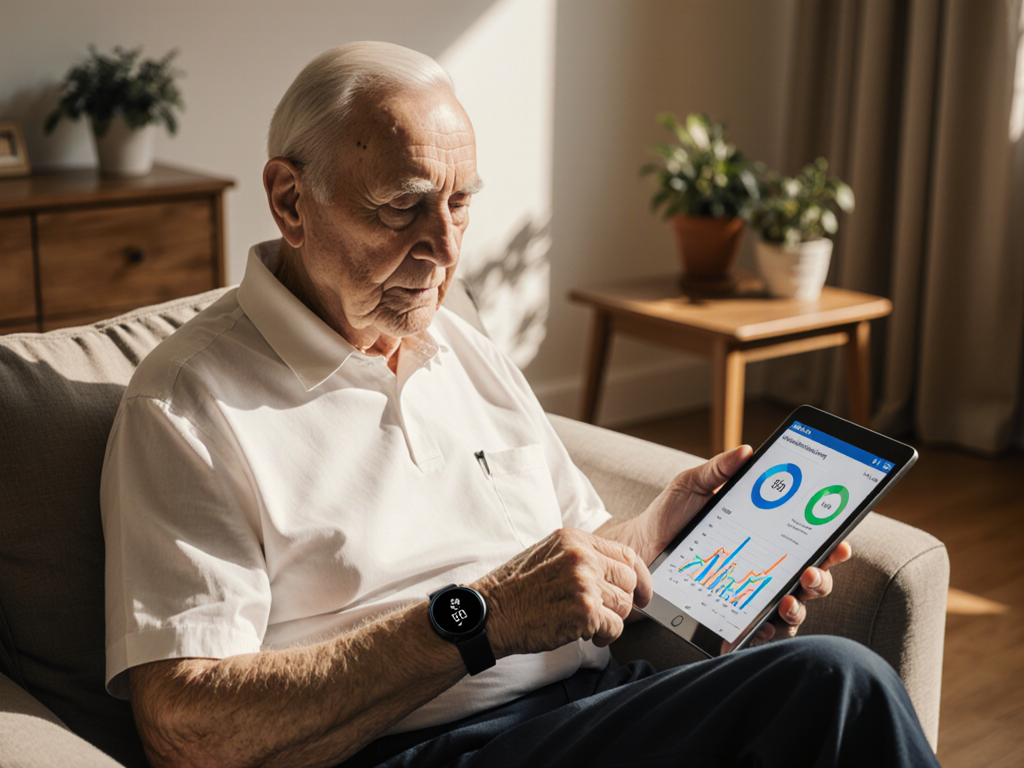
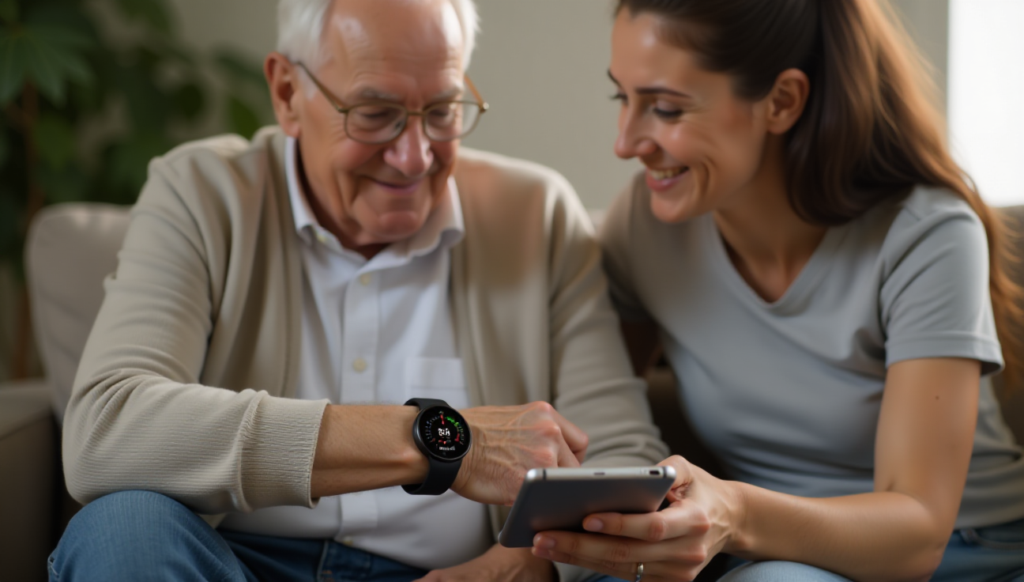
Wearable health technology is a game-changer for elderly care. Devices like the Pulsevia Smart Medical Watch monitor key health metrics such as heart rate, blood pressure, and oxygen levels, providing real-time updates and alerts.
Tips for Effective Use:
- Set up automated alerts for abnormal vitals to notify caregivers immediately.
- Leverage AI-driven health insights to identify potential health concerns early.
- Use features like fall detection and SOS buttons to ensure safety during emergencies.
2. Stay Connected with GPS and Location Tracking
For seniors with dementia or mobility issues, GPS tracking offers security and peace of mind. Location tracking ensures that caregivers always know their loved ones’ whereabouts.
Tips for Effective Use:
- Define safe zones with geofencing to receive alerts if your loved one leaves a designated area.
- Use location history to monitor movement patterns for safety and activity tracking.
- Ensure the device has reliable 4G connectivity for real-time updates.
3. Simplify Daily Routines with Smart Home Devices
Smart home technology helps seniors manage daily tasks more easily while enhancing their safety and comfort. Devices like voice-activated assistants and automated lighting can reduce physical strain and create a secure environment.
Tips for Effective Use:
- Install smart lights that respond to voice commands, minimizing the risk of falls in the dark.
- Use voice assistants to set reminders for medications, appointments, or hydration.
- Add smart locks and doorbell cameras to improve home security.
4. Foster Social Connections with Digital Tools
Loneliness can negatively impact seniors’ mental and physical health. Video calling platforms and social media help the elderly stay connected with family and friends.
Tips for Effective Use:
- Choose user-friendly devices with large screens and simplified interfaces.
- Schedule regular virtual visits to maintain consistent social interaction.
- Encourage seniors to join online communities or interest groups to engage in meaningful activities.
5. Ensure Safety with AI-Powered Emergency Response Systems
Technology can bridge the gap between independence and safety. AI-powered systems like the Pulsevia smartwatch offer fall detection, SOS alerts, and 24/7 emergency response services.
Tips for Effective Use:
- Activate fall detection features to ensure quick responses during accidents.
- Add emergency contact details and enable alerts for immediate notifications.
- Consider subscription add-ons like 24/7 emergency response for additional peace of mind.
6. Encourage Regular Use Through Training and Support
Introducing new technology to seniors can feel overwhelming, but with patience and practice, they can become confident users.
Tips for Effective Use:
- Start with devices that have simple interfaces and clear instructions.
- Demonstrate how to use the technology and practice with them.
- Provide ongoing support and check-in to address any concerns or issues.
Ready to transform elderly care? Discover how the Pulsevia Smart Medical Watch can make a difference at Pulsevia.com.