In today’s tech-savvy world, smartwatches have become more than just timekeepers; they are essential gadgets that combine convenience, style, and functionality. From tracking fitness goals to managing notifications, smartwatches have evolved to cater to diverse needs. However, not all smartwatches are created equal, and few can truly claim to prioritize health, safety, and connectivity.
Types of Smartwatches
- Fitness Trackers
Fitness-focused smartwatches are designed to monitor physical activity and encourage healthier habits. Popular models like the Fitbit or Garmin are equipped with features like step counting, heart rate monitoring, and calorie tracking. While excellent for athletes and fitness enthusiasts, these devices often lack advanced health monitoring or emergency response systems. - Lifestyle Smartwatches
These devices combine smart features with fashion. The Apple Watch or Samsung Galaxy Watch are examples, offering robust app ecosystems, seamless smartphone integration, and stylish designs. However, their health-focused features tend to be secondary, and their emergency alert systems are limited or reliant on pairing with a smartphone. - Medical Alert Watches
Tailored for seniors or those with medical conditions, these watches prioritize emergency response features. Devices like Life Alert or other medical alert systems often include SOS buttons, fall detection, and emergency calling. However, they lack advanced health tracking like real-time vitals monitoring, and their bulky, outdated designs leave much to be desired.
Why Pulsevia Is Different and Revolutionary
Pulsevia seamlessly bridges the gap between these categories, offering an all-in-one solution for health tracking, safety, and connectivity. Here’s how it stands out:
1. Advanced Health Monitoring
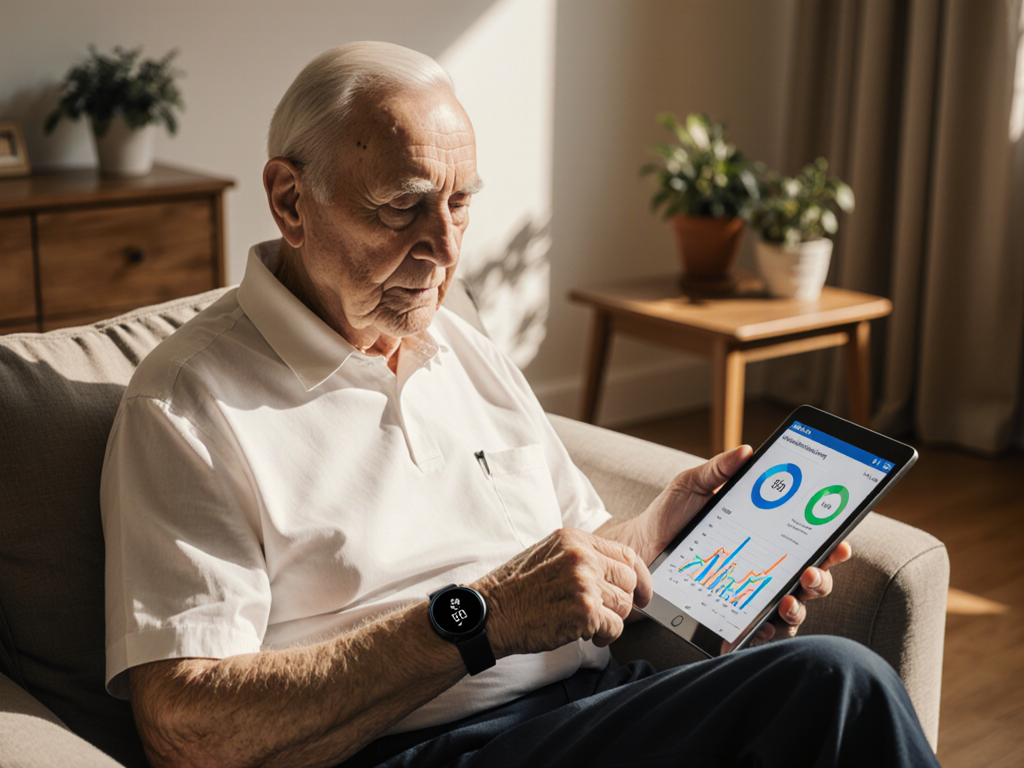
While most smartwatches focus on basic metrics like steps or calories, Pulsevia takes health tracking to the next level. Its AI-driven health analysis platform continuously monitors key vitals, including:
- Blood pressure
- Heart rate
- Oxygen levels
- Body temperature
These features empower users to stay informed about their health in real time, offering peace of mind for those managing chronic conditions or simply looking to stay proactive about their well-being.
2. Integrated Emergency Features
Unlike lifestyle-focused smartwatches or standalone medical alert devices, Pulsevia combines comprehensive emergency features with real-time vitals monitoring. This includes:
- An SOS button that alerts emergency contacts immediately.
- Fall detection, which sends automatic alerts when a fall is detected.
- 24/7 response center assistance (available as an add-on).
- Emergency calling options, including voice calls to multiple contacts.
These features make Pulsevia the smartest medical alert system on the market, offering unparalleled safety and connectivity.
3. Independence with 4G Connectivity
Many smartwatches rely on pairing with a smartphone to unlock their full potential. Pulsevia eliminates this dependency by offering built-in 4G connectivity, ensuring users are always connected, even without a smartphone nearby.
4. AI-Powered Insights
Pulsevia’s advanced AI provides personalized health insights, alerting users when potential health issues arise. This goes beyond passive data collection by actively engaging users to make informed decisions about their health.
5. Sleek, Modern Design
Medical alert systems often sacrifice aesthetics for functionality, but Pulsevia proves you can have both. With a sleek, lightweight design, it’s a wearable you’ll be proud to show off, blending seamlessly with your everyday life.
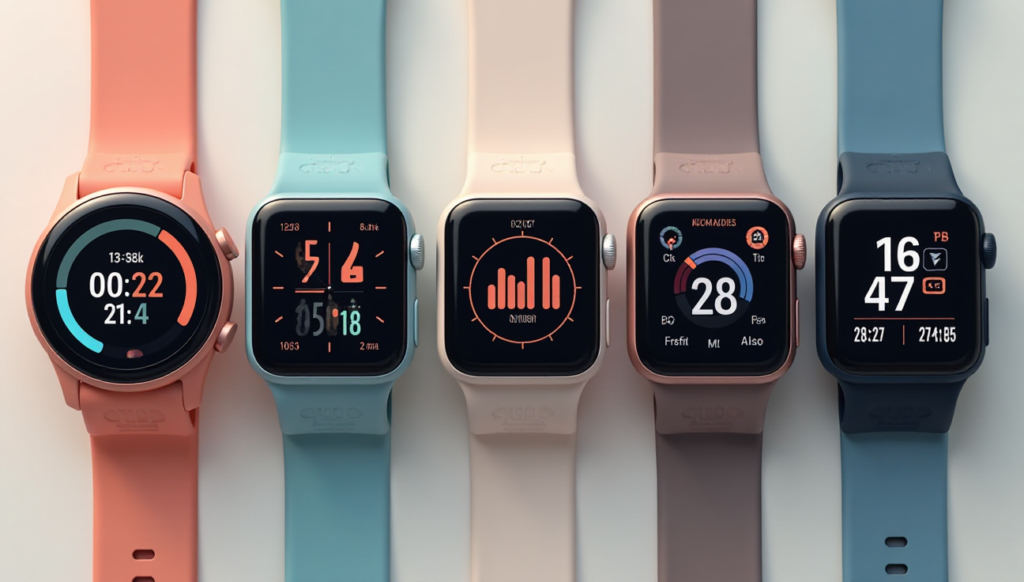
Pulsevia wristbands are interchangeable, allowing you to match them with your style. New designs are coming soon!
Why Settle for Less?
With Pulsevia, you get the best of all worlds: cutting-edge health monitoring, emergency alert systems, and stylish design—all powered by an AI platform that keeps you informed and protected. Visit Pulsevia.com to learn more.