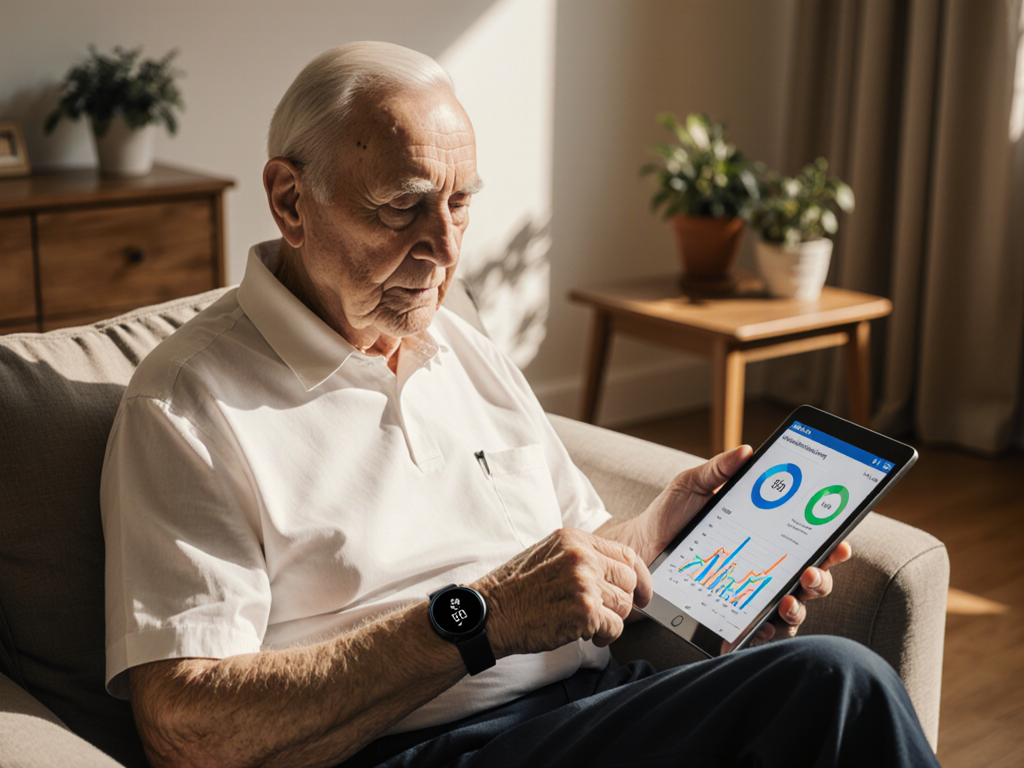

Wearable health technology has revolutionized how we approach personal health and safety. But as technology continues to evolve, what does the future hold for wearable health devices? Here’s a glimpse into the emerging trends that are shaping the future of wearable health technology and how Pulsevia is poised to lead the way.
1. AI Advancements: Smarter Insights, Better Health
Artificial intelligence (AI) is at the forefront of wearable health tech innovation. Devices are becoming more intelligent, capable of analyzing vast amounts of health data to provide:
- Predictive Alerts: AI algorithms can identify patterns in vitals, predicting potential health issues like cardiac arrhythmias or respiratory distress before symptoms appear.
- Personalized Recommendations: Wearables will adapt thresholds and notifications based on the user’s unique health profile and lifestyle.
- Early Diagnosis Support: Advanced AI could work alongside healthcare providers to detect conditions like diabetes or hypertension early, improving treatment outcomes.
Pulsevia’s Role: With its AI-driven insights, Pulsevia already sets a standard by offering proactive notifications and personalized thresholds. Future updates will continue to refine these capabilities, empowering users with smarter, more actionable health insights.
2. Remote Monitoring Innovations: Healthcare Anywhere
The demand for remote health solutions has surged, driven by factors like aging populations and the growing popularity of telemedicine. The next generation of wearables will further bridge the gap between patients and healthcare providers by:
- Continuous Data Sharing: Devices will provide real-time data to doctors, enabling remote monitoring of chronic conditions or post-surgical recovery without in-person visits.
- Interoperability: Integration with broader healthcare ecosystems, such as electronic health records (EHRs), will ensure seamless communication between wearables and medical teams.
- Caregiver Collaboration: Enhanced caregiver apps will allow families to stay informed, fostering collaborative care.
Pulsevia’s Role: Pulsevia’s global connectivity and cloud-based platform already make remote monitoring simple and effective. Upcoming advancements will expand integration with telehealth platforms, further improving accessibility to care.
3. Global Connectivity: Monitoring Without Borders
Connectivity is key for wearable health tech, and future devices will continue to prioritize reliable, worldwide access through:
- 5G Integration: Faster, more reliable networks will improve the speed and accuracy of data transmission.
- Multi-Network Switching: Smart devices will seamlessly connect to the best available network, ensuring uninterrupted service—even in remote areas.
- Emergency Response Anywhere: Enhanced GPS capabilities will provide precise location data, supporting faster, more effective emergency responses.
Pulsevia’s Role: With multi-SIM technology and 4G connectivity, Pulsevia has already set the stage for global reliability. Future updates will incorporate even faster, more adaptive connectivity options to ensure users stay safe and connected wherever they go.
4. Advanced Sensors: Monitoring Beyond the Basics
Wearable technology is expanding its capabilities with new sensors that go beyond standard vitals tracking:
- Non-Invasive Glucose Monitoring: A game-changer for diabetic users, eliminating the need for finger pricks.
- Hydration Sensors: Track fluid levels to help users maintain optimal hydration.
- Cognitive and Mood Monitoring: Advanced sensors could measure mental health markers, detecting signs of stress, depression, or cognitive decline.
Pulsevia’s Role: By continuously upgrading its sensor technology, Pulsevia is prepared to integrate next-gen features, ensuring users benefit from cutting-edge health tracking tools.
5. Sustainable Design: Tech That Cares for the Planet
As consumers become more eco-conscious, wearable devices are adopting sustainable practices:
- Longer Battery Life: Innovations in energy-efficient technology will reduce the need for frequent charging.
- Recycled Materials: Manufacturers are prioritizing sustainable materials for device construction and packaging.
- E-Waste Reduction: Future devices will focus on modular designs that allow for easy repairs or upgrades, extending their lifespan.
Pulsevia’s Role: Pulsevia is leading the charge toward a greener future by embracing eco-friendly practices, from sustainable materials and energy-efficient batteries to thoughtfully designed packaging. With a strong commitment to sustainability, Pulsevia is committed to ensure its future products align with the rising demand for environmentally conscious technology.
6. Health Empowerment Through Gamification
Wearables are evolving to not only track health but also inspire users to improve it through gamification:
- Health Challenges: Devices will encourage users to achieve health goals through rewards, badges, or competitions.
- Community Features: Social connectivity will allow users to join groups, track progress together, and support one another.
- Habit Building: Behavioral psychology will guide features that help users stick to healthy routines.
Pulsevia’s Role: With activity tracking and customizable notifications, Pulsevia already encourages healthy habits. Future updates will integrate gamification elements to make health management more engaging.
Ready to join the future of health tech? Discover how Pulsevia is shaping the next generation of wearable health technology at Pulsevia.com.