The start of a new year is a natural moment to step back and look at the bigger picture of our health.
For older adults, staying healthy isn’t only about daily routines or lifestyle habits. It’s also about having organized health information, understanding trends over time, and being prepared to make informed decisions when needed.
Health monitoring is not about constant checking or worry. It’s about clarity, organization, and confidence especially as healthcare becomes more complex and expensive.
What Health Monitoring Means and Why It Matters
Health monitoring does not replace doctors or professional medical care. Instead, it helps older adults:
- Keep health information organized
- Understand personal health baselines
- Notice meaningful changes over time
- Support clearer conversations with healthcare providers
When information is easy to access and understand, decision-making becomes calmer and more confident.
1. Schedule Annual Checkups and Recommended Tests
The foundation of health monitoring begins with professional medical care. At the beginning of the year, many older adults choose to:
- Schedule an annual physical
- Complete age-appropriate blood tests
- Review medications with their doctor
- Discuss any changes or ongoing concerns
These appointments help establish a medical baseline, which provides essential context for health monitoring throughout the year.
2. Keep Blood Test Results Organized
Blood test results are valuable, but they are often scattered across:
- Multiple doctor portals
- Paper records
- Emails or printed reports
Keeping results in one place makes it easier to:
- Track changes year over year
- Remember which values were important
- Prepare questions for medical appointments
Organized data turns test results into insight instead of forgotten paperwork.
3. Monitor Blood Pressure Over Time
Blood pressure is one of the most commonly recommended measurements for older adults. Rather than focusing on individual readings:
- Measure at consistent times
- Record readings regularly
- Look for long-term patterns
Sharing trends with a healthcare provider can be more helpful than a single reading taken during a stressful visit.
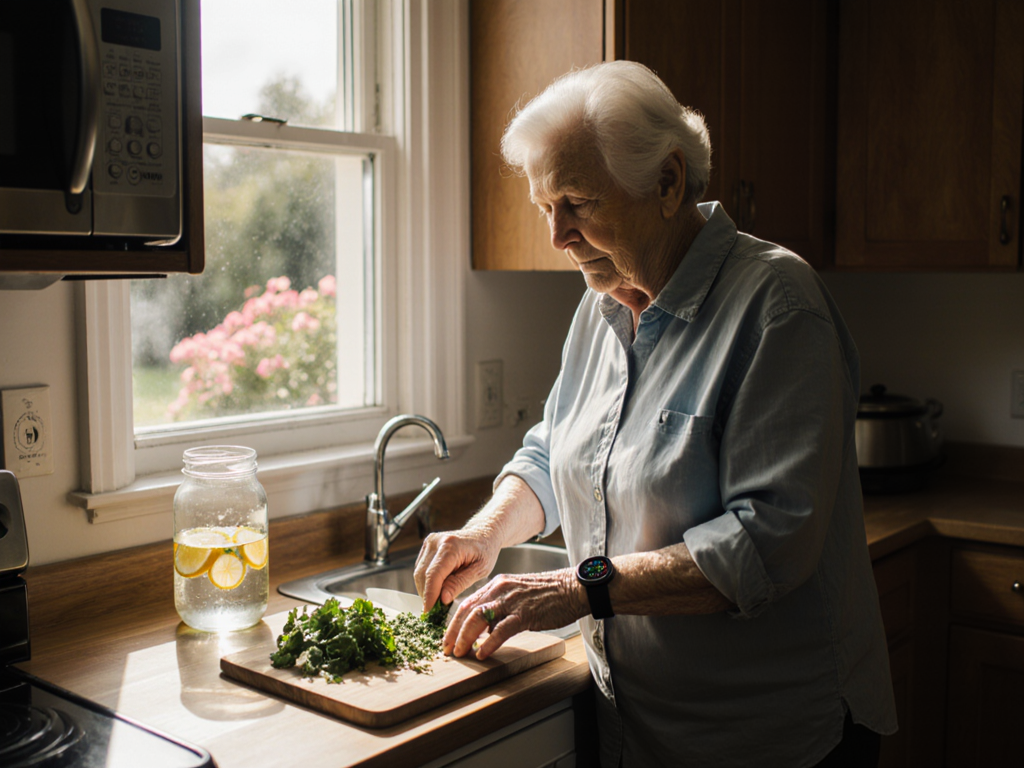
4. Pay Attention to Hydration Patterns
Hydration plays an important role in circulation, cognition, and overall wellbeing, especially for older adults. Health monitoring in this area may include:
- Being aware of daily fluid intake
- Noticing patterns of fatigue or dizziness
- Mentioning changes in hydration habits during doctor visits
Monitoring hydration patterns over time provides useful context for medical discussions.
5. Keep Emergency Information Easily Accessible
In an emergency, having the right information readily available can make a meaningful difference. Older adults should ensure that:
- An emergency contact is clearly listed on their phone
- Blood type (if known) is recorded
- Allergies and key medical conditions are documented
- Medication lists are current
This information should be reviewed regularly and easy to access if communication is difficult.
6. Store Medical Information in One Central Place
Health information is often spread across multiple systems and locations. Centralizing medical data helps:
- Reduce stress during appointments
- Avoid repeating information
- Support clearer communication with healthcare providers
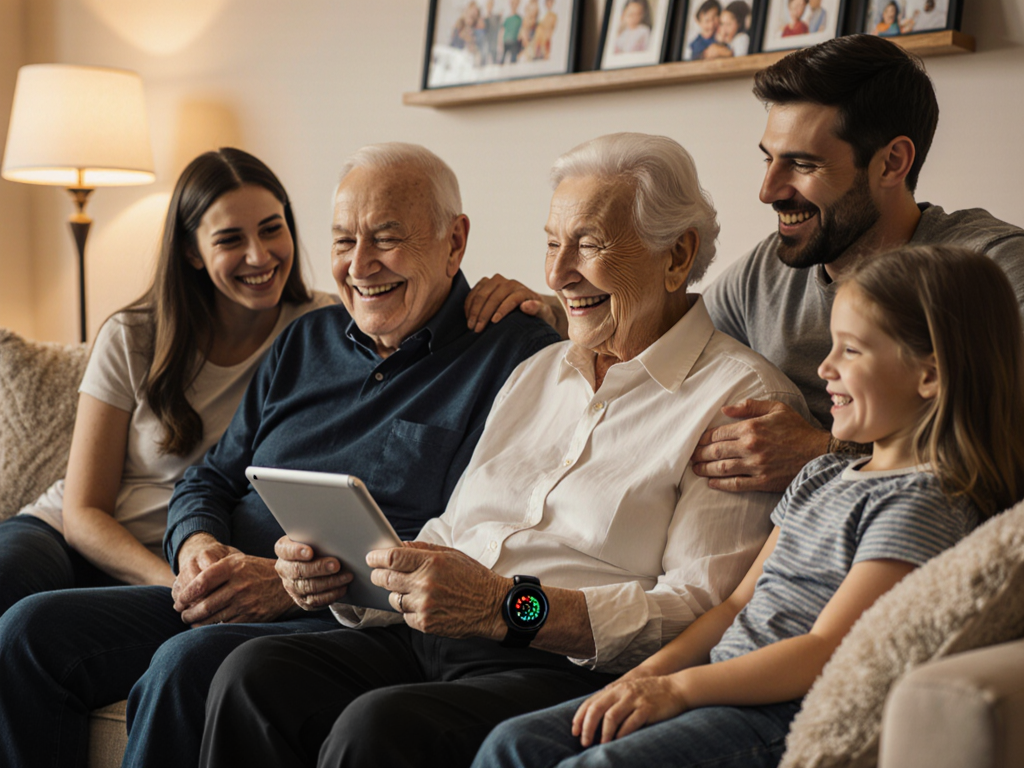
- Provide peace of mind for families
Health monitoring works best when information is organized, consistent, and accessible.
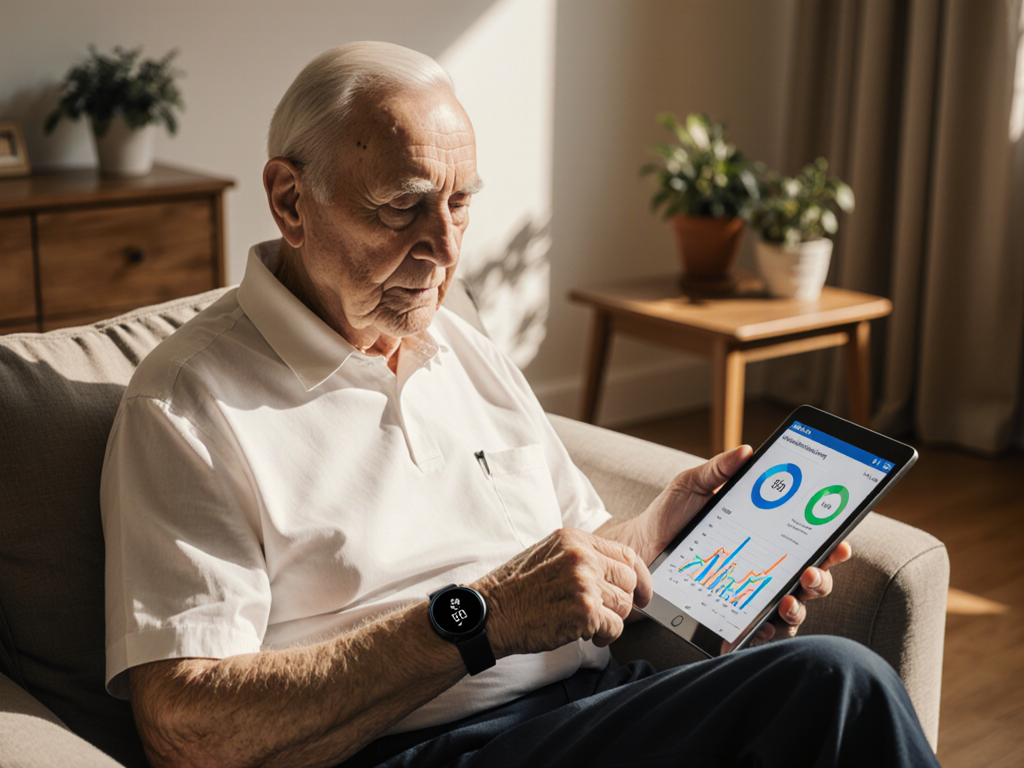
7. Track Health Trends and Be Able to Share Them
Health data becomes most useful when it can be reviewed and shared. Tracking long-term trends allows older adults to:
- Understand what is normal for their body
- Notice gradual changes
- Export or show data to healthcare providers
- Make medical appointments more productive
Trends tell a story that single readings cannot.
8. Review Health Information and Preparedness Each Year
The New Year is an ideal time to:
- Review emergency contacts
- Update medical information
- Confirm medication lists
- Ensure family members know where information is stored
This annual review supports preparedness and confidence without creating anxiety.
Supporting Health Monitoring With Pulsevia
Pulsevia helps older adults store medical information in one place, track long-term health trends, and export data when needed. By combining vital sign trends, activity insights, and organized health records, Pulsevia supports informed decisions and clearer communication with healthcare providers.
Because staying informed isn’t just about tracking. It’s about being prepared.
Disclaimer:
This content is intended for generally healthy adults and is for informational purposes only. It does not replace professional medical advice, diagnosis, or treatment. Always consult your physician or healthcare provider regarding medical conditions, medications, screenings, and health decisions.
#SeniorHealth #HealthMonitoring #HealthyAging #PreventiveCare #HealthAwareness #NewYearHealth #Pulsevia