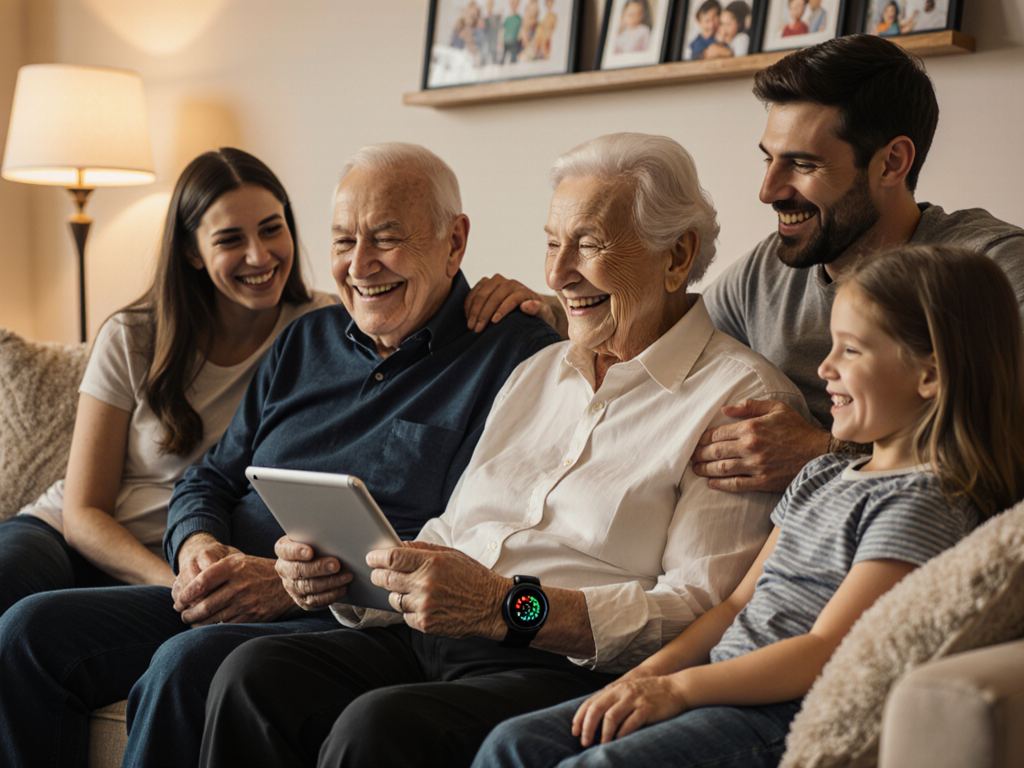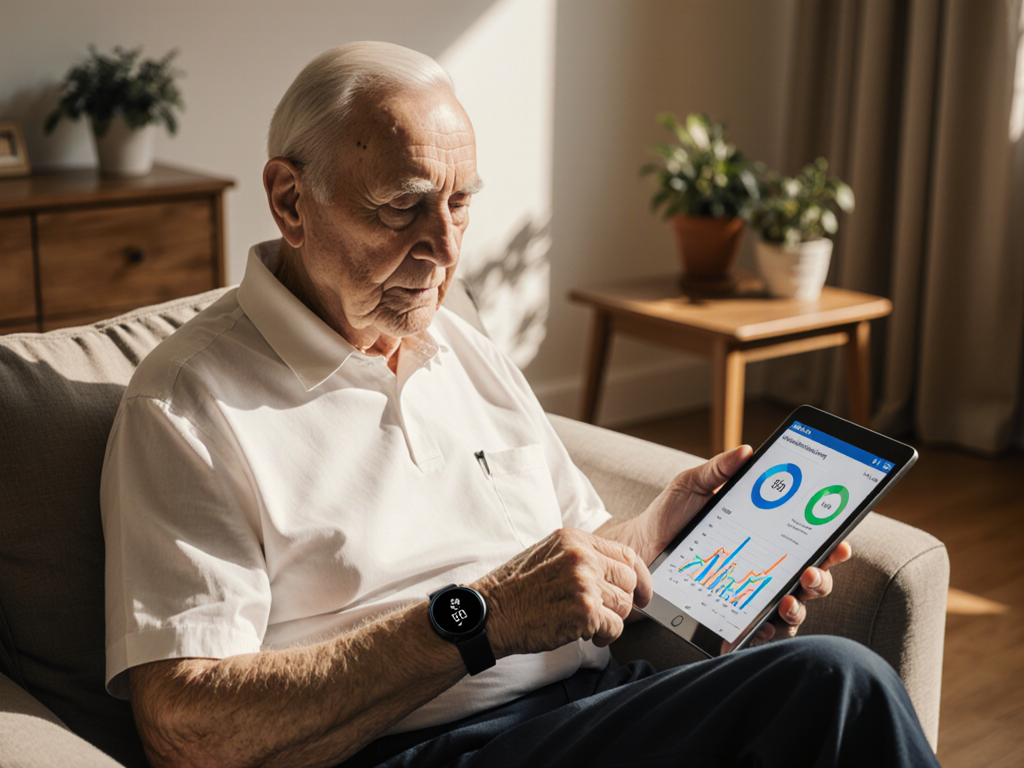

The global aging population is reshaping how we think about health care, safety, and long-term care costs. Wearable technology like the Pulsevia Watch offers a powerful solution, enabling seniors to live safer, healthier lives while providing peace of mind for their loved ones and reducing financial strain on insurers and care providers.
From monitoring chronic conditions to preventing falls, Pulsevia is revolutionizing elder care, empowering seniors, and transforming how insurers and nursing homes approach their wellness programs.
How Wearables are Transforming Elder Care
For seniors, health risks often arise unexpectedly. Wearable devices bridge the gap by providing 24/7 health monitoring and proactive alerts that allow for timely interventions.
- Falls, a Critical Concern: Falls are a leading cause of injury among older adults, with 35% of individuals over 65 experiencing a fall each year. (Source) Wearable technology with fall detection features ensures immediate response, minimizing complications and long-term harm.
- Managing Chronic Conditions: Continuous tracking of blood pressure, heart rate, and oxygen levels allows for better management of chronic conditions like heart disease or diabetes. (Source) Early interventions reduce hospital visits, enhancing the quality of life for seniors.
- Emergency Response Made Easy: SOS alerts allow seniors to summon help at the press of a button, ensuring immediate support in critical moments.
Empowering Insurers to Serve Senior Markets
Insurers are uniquely positioned to leverage wearables for tailored solutions that cater to the needs of aging policyholders.
- Personalized Plans: Wearables provide real-time health data, enabling insurers to create policies based on actual risk profiles. This not only ensures fairer premiums but also fosters trust and transparency.
- Cost Savings Through Prevention: By promoting early detection and wellness, wearable technology helps insurers reduce expensive claims related to chronic diseases or emergency hospitalizations. For instance, patients using wearables for chronic disease management report fewer hospital visits, saving insurers significant costs.
- Stronger Engagement: Providing wearables like the Pulsevia Watch as part of wellness programs drives policyholder satisfaction, loyalty, and participation in health initiatives.
Enhancing Care in Nursing Homes with Pulsevia
Nursing homes and assisted living facilities face unique challenges in managing resident care. Pulsevia provides a seamless solution to enhance safety, efficiency, and family trust.
- Improved Resident Safety: Wearables ensure that falls or health issues don’t go unnoticed, providing staff with immediate alerts to respond swiftly.
- Operational Efficiency: By automating health monitoring and alerts, staff can focus on delivering personalized care rather than constantly checking on residents.
- Family Peace of Mind: Transparent monitoring gives families confidence that their loved ones are being cared for with cutting-edge technology.
The Financial Impact of Wearables
Reducing long-term care costs is a win for everyone—seniors, insurers, and care providers alike. Pulsevia helps achieve this by:
- Preventing Hospitalizations: Early detection of health risks can dramatically reduce costly emergency visits and hospital stays.
- Lowering Insurance Claims: Insurers partnering with wearable technology see fewer high-cost claims from chronic disease complications or accidents.
- Streamlining Nursing Home Care: Efficient monitoring reduces staffing needs and minimizes costly incidents.
Why Now is the Time for Wearables
The adoption of wearable technology like the Pulsevia Watch is not just a trend—it’s a necessity in addressing the growing needs of an aging population. By offering tailored insurance plans, empowering seniors with safety features, and streamlining care in nursing homes, wearables are transforming elder care for the better.
📩 Contact Pulsevia today to explore how we can help your organization support seniors while reducing costs and enhancing care.