Parkinson’s disease (PD) is a progressive neurological disorder that affects movement, balance, and coordination. With over 10 million people living with the condition worldwide, managing its symptoms and maintaining independence can be a daily challenge.
Here’s how mobility tracking can make a meaningful difference for those living with Parkinson’s disease:
1. Monitoring Gait and Movement Patterns
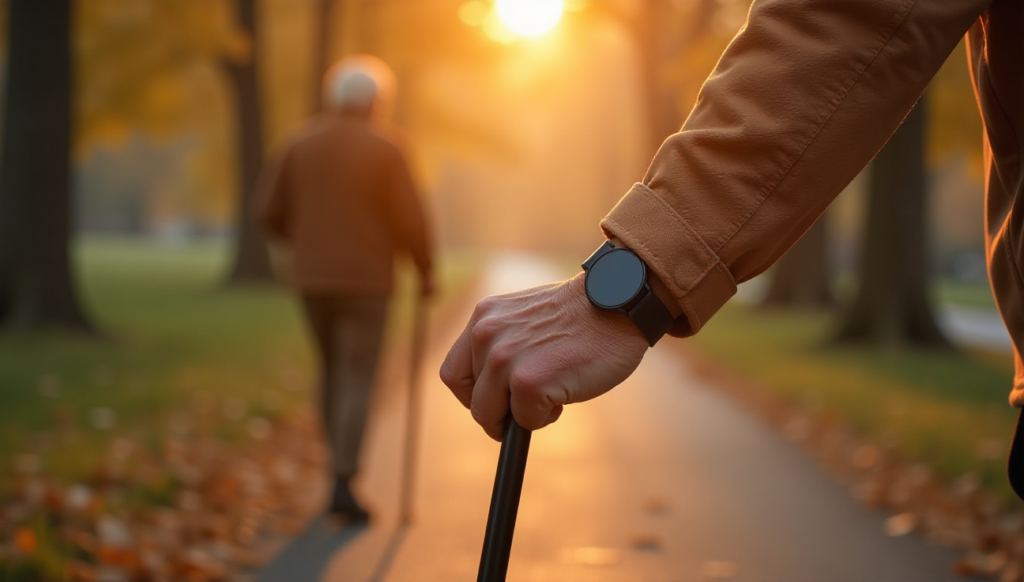
One of the hallmark symptoms of Parkinson’s is changes in movement, such as shuffling gait, reduced arm swing, or slowed motion (bradykinesia). Mobility tracking devices use advanced sensors to monitor these patterns in real time.
- Why It Matters: By tracking subtle changes in gait, users and their caregivers can identify worsening symptoms or the onset of freezing episodes (sudden inability to move).
Early detection allows for adjustments in treatment plans, physical therapy, or medications, improving mobility and reducing fall risks.
2. Preventing Falls with Real-Time Alerts
Falls are a significant concern for individuals with Parkinson’s, as balance and postural instability can worsen as the disease progresses. Mobility tracking technology equipped with fall detection can provide an added layer of safety.
- Fall Detection in Action: Devices like Pulsevia automatically detect sudden impacts and notify caregivers or emergency services instantly.
3. Encouraging Activity and Movement
Maintaining an active lifestyle is crucial for managing Parkinson’s symptoms, as exercise has been shown to improve mobility, balance, and mental well-being. Mobility tracking devices provide data on:
- Daily Step Counts: Helping users set and achieve realistic activity goals.
- Movement Alerts: Reminding users to move periodically to prevent stiffness and maintain joint flexibility.
By promoting consistent activity, these tools empower individuals to stay active within their capabilities.
4. Enhancing Communication with Healthcare Providers
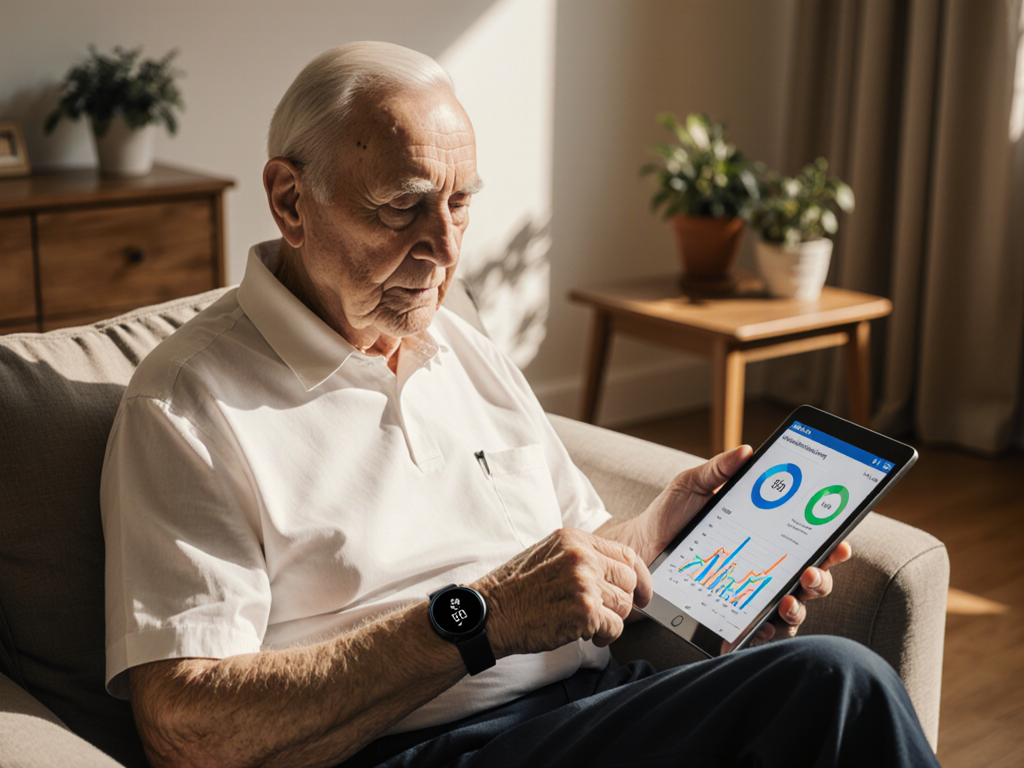
Mobility tracking devices collect valuable data that can be shared with healthcare providers. For individuals with Parkinson’s, this means more accurate assessments and personalized care plans.
5. Building Independence with Personalized Alerts
Living with Parkinson’s often requires balancing independence with safety. Mobility tracking devices provide features like:
- Geofencing and GPS Tracking: Caregivers receive alerts if the user wanders outside a designated safe zone.
- Custom Reminders: Notifications for medication times, hydration, or rest periods.
These tools empower users to maintain autonomy while ensuring their well-being is always prioritized.
6. Supporting Caregivers
Parkinson’s disease affects not just the individual but their caregivers as well. Mobility tracking devices ease the burden by:
- Providing real-time updates on the user’s activity and safety.
- Sending alerts during emergencies, ensuring caregivers can respond quickly.
- Offering peace of mind through 24/7 connectivity and reliable monitoring.
Why Pulsevia is a Game-Changer for Parkinson’s Care
The Pulsevia Smart Medical Watch combines mobility tracking with comprehensive health monitoring, making it an invaluable tool for individuals managing Parkinson’s disease. Key features include:
- Fall Detection: Immediate alerts for caregivers in case of a fall.
- Vitals Monitoring: Tracks heart rate, blood pressure, oxygen levels, and body temperature.
- AI-Driven Insights: Detects trends in movement and health data, providing actionable alerts.
- GPS Tracking: Ensures users can move freely while staying safe.
- 4G Connectivity: Reliable operation, even without a smartphone.
Ready to learn more? Discover how Pulsevia can transform Parkinson’s care at Pulsevia.com.