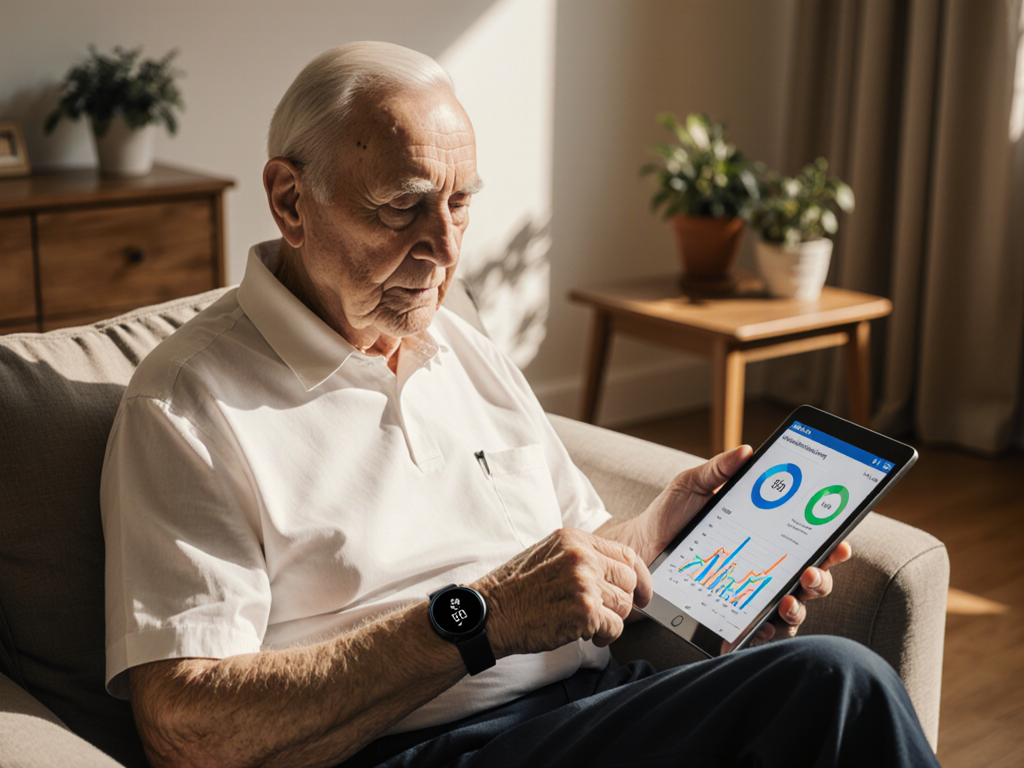

Wearable technology is no longer just a consumer gadget—it’s becoming an integral part of the insurance industry. From enabling real-time health monitoring to fostering early intervention, wearables like the Pulsevia Watch are reshaping the landscape of life and health insurance. Insurers who embrace this shift now stand to gain a competitive edge while offering unparalleled value to their customers.
The Growing Adoption of Wearables in Insurance
Wearable devices have seen a surge in adoption in the insurance industry, driven by their ability to provide actionable health data. According to a report by Deloitte, 320 million wearable devices were shipped globally in 2022, with projections to reach 440 million by 2024. This explosion in wearable tech adoption is transforming how insurers assess risk, engage with policyholders, and manage claims.
Key benefits of wearable adoption include:
- Dynamic Risk Assessment: Real-time data enables insurers to move beyond static underwriting models to dynamic, personalized assessments.
- Reduced Claims Costs: Wearables can alert users to health risks early, preventing costly medical interventions.
- Customer Engagement: Wearables incentivize healthier behaviors, creating more engaged and loyal policyholders.
How Pulsevia Enables Real-Time Health Monitoring and Early Intervention
Devices like the Pulsevia Watch are at the forefront of this transformation. By offering continuous monitoring of vital signs such as heart rate, blood pressure, and oxygen levels, Pulsevia provides users with AI-driven alerts and health insights.
Key Features of Pulsevia:
- Early Detection: Alerts for irregular heart rhythms, elevated blood pressure, and other warning signs help policyholders seek medical attention before issues escalate.
- Preventive Care: Encourages users to adopt healthier habits through personalized feedback and wellness programs.
- Emergency Response: Fall detection and SOS features ensure immediate action during emergencies, reducing the risk of complications.
For insurers, this translates to fewer claims, improved policyholder health outcomes, and enhanced customer satisfaction.
Industry Insights on Wearables in Insurance
Leading industry players like Swiss Re and RGA recognize the transformative potential of wearable technology in insurance.
- Swiss Re: In its report, Swiss Re highlights that wearable devices allow insurers to tailor products to individual lifestyles, improving both customer experience and profitability. Insurers can offer premium discounts or rewards for healthy behavior tracked through wearables, fostering long-term engagement. (Source: Swiss Re)
- RGA: RGA emphasizes the role of wearables in shifting the industry from reactive care to proactive health management. By integrating wearable data, insurers can improve their risk modeling and create policies that reward healthier living. (Source: RGA)
Why Insurers Must Embrace Wearables Now
The adoption of wearable technology is not just an opportunity—it’s becoming a necessity. Insurers who fail to integrate wearables into their offerings risk falling behind in a market that increasingly values personalization and proactive care.
Key Reasons to Act Now:
- Competitive Differentiation: Stand out by offering innovative, tech-driven policies.
- Enhanced Customer Loyalty: Build stronger relationships with policyholders through tailored health insights and incentives.
- Cost Savings: Reduce claims costs by enabling early intervention and preventive care.
Pulsevia: Your Partner in Revolutionizing Insurance
The Pulsevia Watch is designed to help insurers bridge the gap between traditional risk assessment and modern, data-driven health management. By integrating Pulsevia into your insurance offerings, you can unlock the full potential of wearable technology to create smarter, more personalized policies.
Take the Next Step
The future of insurance is here, and it’s wearable. Don’t wait to embrace this transformative technology. Partner with Pulsevia today to stay ahead of the curve and provide unparalleled value to your policyholders.