For millions of Americans, going to the doctor is no longer a simple decision – it’s a financial calculation.
Between rising insurance premiums, higher deductibles, surprise medical bills, and shrinking coverage options, healthcare costs are pushing many people to delay or completely avoid routine medical visits. Even individuals with insurance are thinking twice before scheduling appointments that could lead to out-of-pocket expenses they can’t afford.
So what happens when people stop seeing doctors regularly?
They don’t stop caring about their health – they look for alternatives.
The Reality: More People Are Skipping Preventive Care
Preventive care has always been the cornerstone of good health. Regular checkups, early screenings, and monitoring vital signs help catch issues before they become serious.
But today:
- People delay doctor visits unless symptoms feel “serious enough”
- Routine checkups are postponed indefinitely
- Minor symptoms are ignored until they become major problems
This isn’t because people don’t value their health – it’s because access has become expensive and unpredictable.
As a result, many are turning to tools that help them stay informed and proactive without needing an immediate doctor visit.
What People Are Doing Instead of Seeing a Doctor
1. Monitoring Their Health at Home
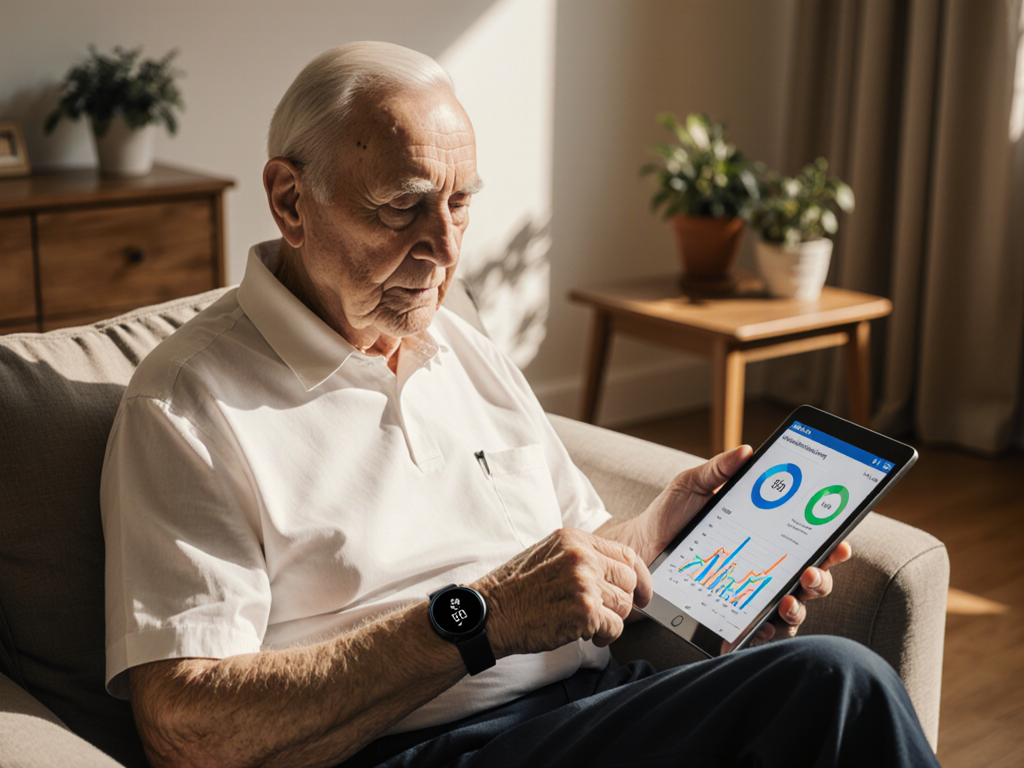
Instead of relying solely on occasional appointments, people want continuous insight into their health. At-home monitoring provides real-time data that was once only available in clinical settings.
Key vitals people are tracking include:
- Heart rate and heart rate variability
- Blood oxygen levels (SpO₂)
- Sleep quality and recovery
- Activity levels and stress indicators
This data helps people understand what’s normal for their body – and when something changes.
2. Using Wearable Technology as an Early Warning System
Wearable health devices have evolved far beyond step counting.
Modern health watches act as an early warning system by identifying trends and abnormalities over time. Instead of waiting until symptoms feel alarming, users can spot subtle changes early – often before they escalate into emergencies.
For many, wearables provide:
- Peace of mind between doctor visits
- Confidence in knowing when something is or isn’t urgent
- Objective data they can later share with healthcare professionals
3. Taking a More Preventive, Data-Driven Approach
When healthcare access becomes limited, prevention becomes essential.
People are using health data to:
- Adjust lifestyle habits before problems arise
- Improve sleep, recovery, and stress management
- Make informed decisions about when to seek medical care
Rather than replacing doctors, technology helps people use medical care more wisely and often less urgently.
Why Continuous Vitals Tracking Matters More Than Ever
A single doctor visit offers a snapshot. Continuous tracking tells a story.
When you can see trends over days, weeks, and months, you gain context and context is critical when deciding whether something needs medical attention.
This shift empowers individuals to:
- Be more engaged in their own health
- Catch issues earlier
- Avoid unnecessary emergency visits
- Arrive at appointments better informed
In a world where healthcare is harder to access, information becomes protection.
The Future of Healthcare Is More Personal and More Preventive
As healthcare costs continue to rise, one thing is becoming clear: people want more control, more transparency, and better tools to manage their health on their own terms.
Wearable health technology is stepping in to meet that need. Not by replacing doctors, but by helping people stay informed, prepared, and empowered.
Because when access is uncertain, knowing your body matters more than ever.
Take Control of Your Health with Pulsevia
Pulsevia’s health watches are designed to help you monitor essential vitals, understand trends, and stay proactive especially when seeing a doctor isn’t always easy.
Your health doesn’t stop between appointments. Neither should your insight.
HealthcareCosts #PreventiveCare #WearableHealth #HealthMonitoring #DigitalHealth #PatientEmpowerment #HealthAtHome #ProactiveHealth #Pulsevia