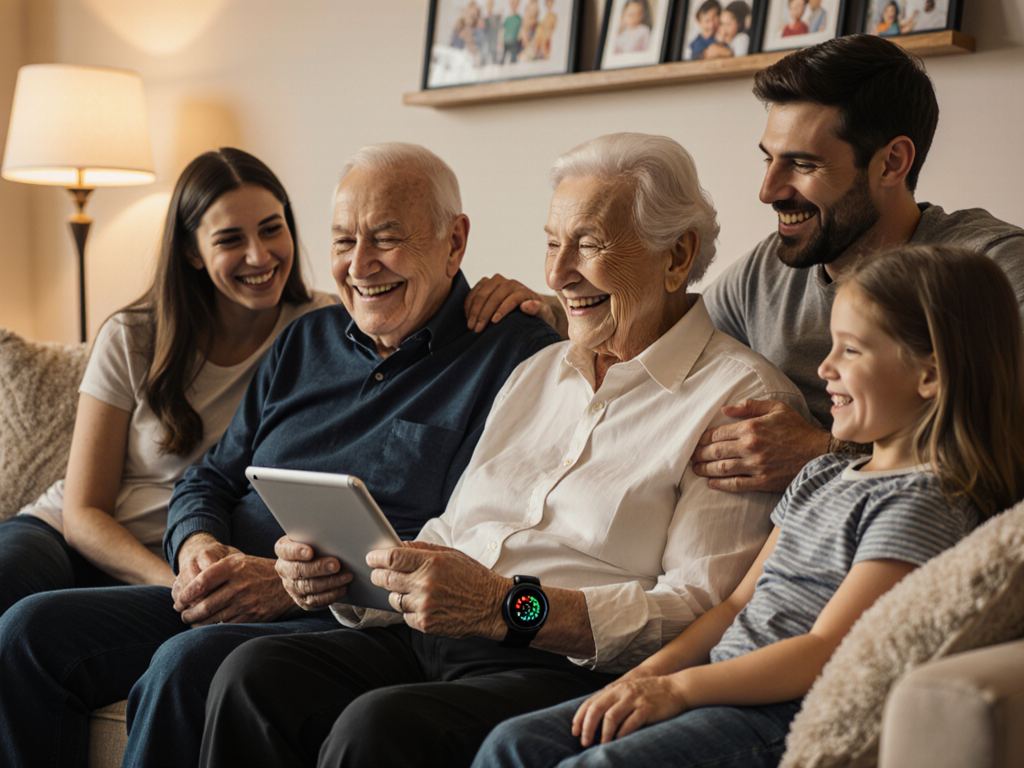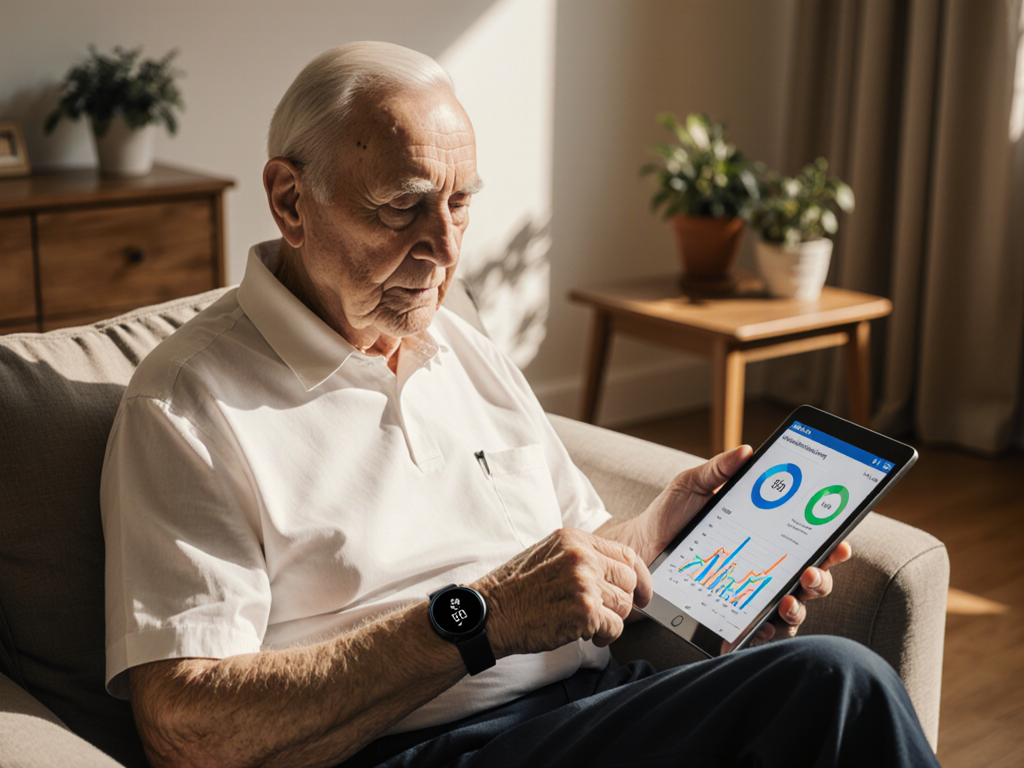
The demands of caregiving are rising as the population ages. According to the World Health Organization (WHO), the number of people aged 60 and older will double by 2050, reaching 2.1 billion. This shift increases the burden on caregivers, who must often monitor chronic conditions, prevent emergencies, and ensure safety.
Predictive health alerts address these challenges by enabling:
- Proactive Care: AI identifies early signs of complications, such as infections or cardiovascular issues, allowing for timely treatment.
- Reduced Stress for Caregivers: Alerts provide real-time updates, ensuring caregivers can focus on actionable insights rather than constant monitoring.
- Better Outcomes: By catching health issues early, these systems minimize the need for hospitalizations or invasive interventions.
A study published in The Lancet Digital Health highlights that AI-driven early warning systems in hospitals reduced mortality rates by up to 20% for conditions like sepsis, underscoring their potential in caregiving scenarios.1

How Predictive Health Alerts Work
Predictive health alerts rely on AI algorithms to process data from multiple sources, such as wearable devices, electronic health records, and lifestyle inputs. These systems identify trends, anomalies, or deviations from normal health parameters, triggering notifications for caregivers or healthcare providers. Example use cases cover:
- Detecting Cardiovascular Risks: AI can analyze heart rate variability to flag arrhythmias or early signs of heart disease.
- Monitoring Chronic Conditions: Alerts track metrics like blood sugar for diabetes or respiratory rates for asthma, ensuring timely adjustments to care plans.
- Fall Prevention and Response: Predictive systems monitor mobility patterns, identifying high fall risks and notifying caregivers of incidents in real-time.
- Supporting Maternal and Infant Health: Pregnancy and postpartum recovery are sensitive periods where continuous health monitoring can make a significant difference. Predictive alerts cater to both maternal and infant care needs.
- Enhancing Post-Surgical Recovery: Post-surgical recovery requires vigilant monitoring to prevent complications. Predictive alerts ensure that deviations in vital signs are caught early, allowing for swift interventions.
The Financial Impact of AI in Caregiving
Predictive health alerts also deliver substantial financial benefits for patients and healthcare systems. By reducing complications, these technologies can significantly lower the cost of care.
- Lower Hospitalization Rates: Early interventions reduce the need for emergency visits or extended hospital stays.
- Decreased Readmissions: Studies show that nearly 20% of patients discharged after major surgeries are readmitted within 30 days, often due to preventable complications.2 Predictive alerts help address these issues.
- Optimized Resource Allocation: Healthcare providers can focus efforts on high-risk patients, improving efficiency and reducing system strain.
A report by McKinsey & Company estimates that AI-driven healthcare solutions, including predictive monitoring, could save the global healthcare system up to $1 trillion annually.3
Beyond Elderly Care: AI for All Ages
While predictive health alerts are transformative for elderly care, their benefits extend to individuals of all ages:
- Young Adults: AI monitors stress levels and sleep patterns, preventing chronic conditions like hypertension.
- Chronic Disease Management: Patients with diabetes or asthma benefit from real-time alerts that enable swift adjustments to treatment.
- Post-Surgical Recovery: AI tracks vital signs to prevent complications, reducing recovery time and readmissions.
Discover how Pulsevia revolutionizes healthcare industry at Pulsevia.com.

- The Lancet Digital Health. “Impact of Early Warning Systems on Mortality Reduction.”
- JAMA Network. “Readmission Rates After Surgery.”
- McKinsey & Company. “AI in Healthcare: A Global Perspective.”