Medical wearables have come a long way, offering cutting-edge technology to track health, improve safety, and enhance overall well-being. Yet despite their growing popularity, several misconceptions continue to deter potential users from experiencing their benefits.
Myth 1: “Medical Wearables Are Only for Seniors”
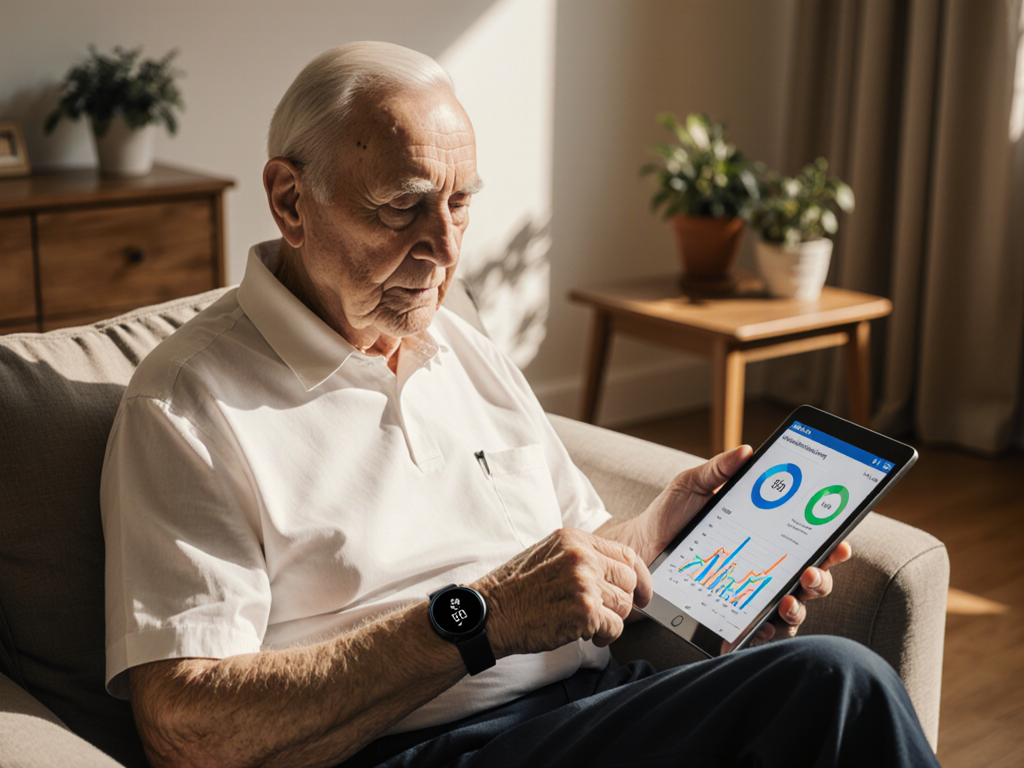
Many people believe medical wearables are solely for older adults who need fall detection or health monitoring.
The Reality:
While seniors benefit greatly from wearables, they’re designed for anyone who values proactive health management. Younger users can track activity, monitor stress, and even detect early signs of health issues like high blood pressure or irregular heart rhythms.
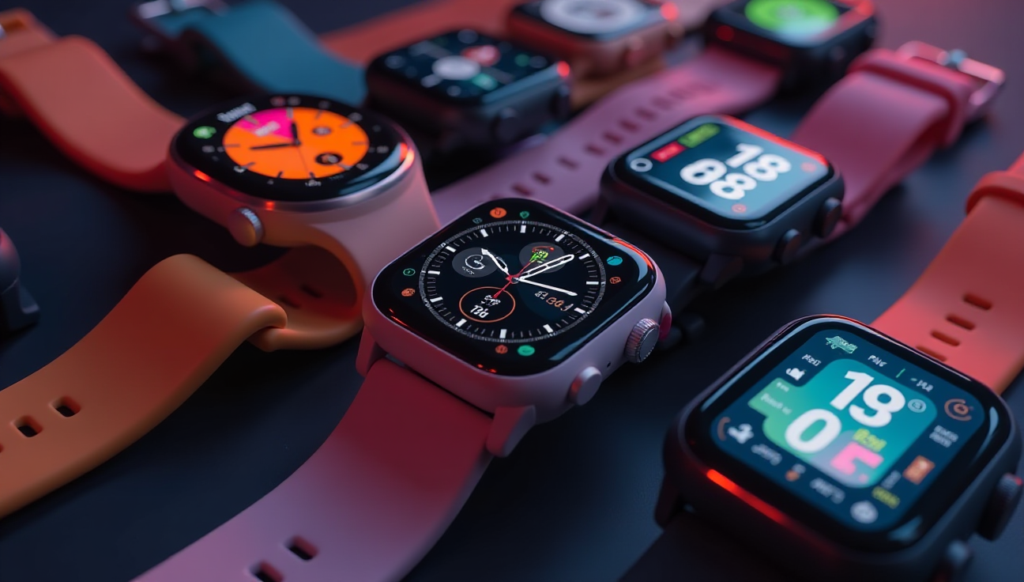
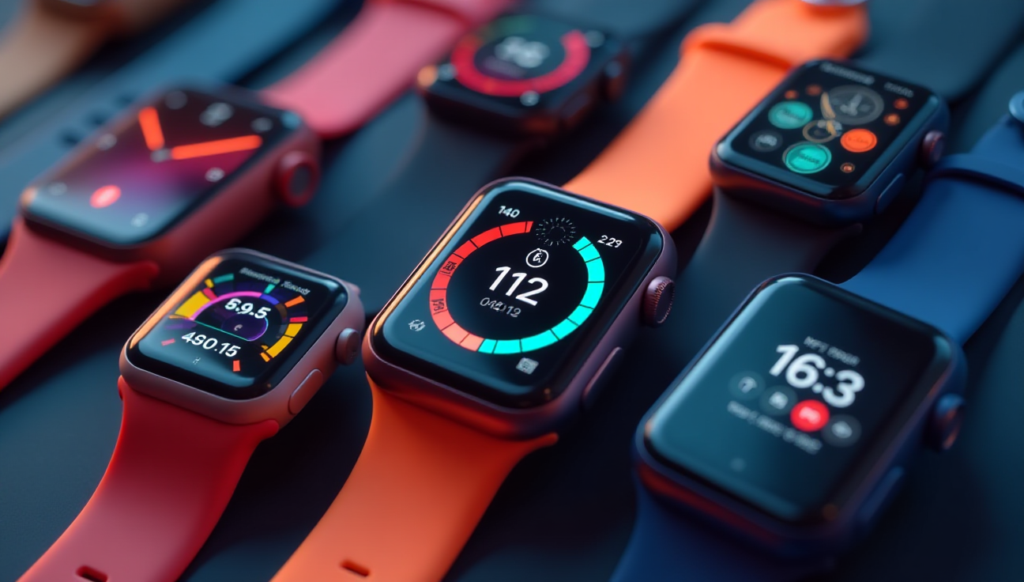
Additionally, Pulsevia doesn’t just keep you healthy—it complements your style. With interchangeable watch bands, users can personalize their smartwatch to match any outfit or occasion, turning it into a stylish accessory as well as a health tool. Whether you’re in workout gear or business attire, Pulsevia fits seamlessly into your look.
Myth 2: “Wearables Are Too Complicated to Use”
Some worry that wearables are too tech-heavy, especially for individuals who aren’t comfortable with new technology.
The Reality:
Modern medical wearables, including Pulsevia, are designed with simplicity in mind. Clear interfaces and step-by-step setup guides ensure anyone can use them, regardless of tech experience.
With an intuitive touchscreen, easy activation via QR code or manual entry, and a user-friendly app, Pulsevia ensures a smooth experience for everyone—whether you’re a tech whiz or a first-time smartwatch user.
Myth 3: “You Need a Smartphone to Use Them”
Some believe that wearables require constant connection to a smartphone to function, which may not be practical for everyone.
The Reality:
Many medical wearables, including Pulsevia, work independently thanks to built-in 4G connectivity. This makes them ideal for users who don’t rely on smartphones regularly or want a more streamlined experience.
Myth 4: “Medical Wearables Are Unnecessary for Healthy People”
There’s a misconception that only individuals with chronic conditions or health risks need wearables.
The Reality:
Wearables are not just for managing existing health problems—they’re tools for prevention. By tracking vitals and activity levels, they help users detect potential issues early and maintain a healthier lifestyle.
Pulsevia empowers even healthy individuals to optimize their well-being and build habits that prevent future health challenges.
Myth 5: “They’re Too Expensive to Be Worth It”
Some assume that wearables are a luxury item, unaffordable for the average person.
The Reality:
While some devices carry a high price tag, Pulsevia offers a cost-effective solution that combines advanced health monitoring with affordability. Additionally, the long-term savings from avoiding emergency care and managing health proactively make wearables a smart investment.
Ready to experience the truth about medical wearables? Explore the Pulsevia Smart Medical Watch at Pulsevia.com and see how it can transform your approach to health and safety.