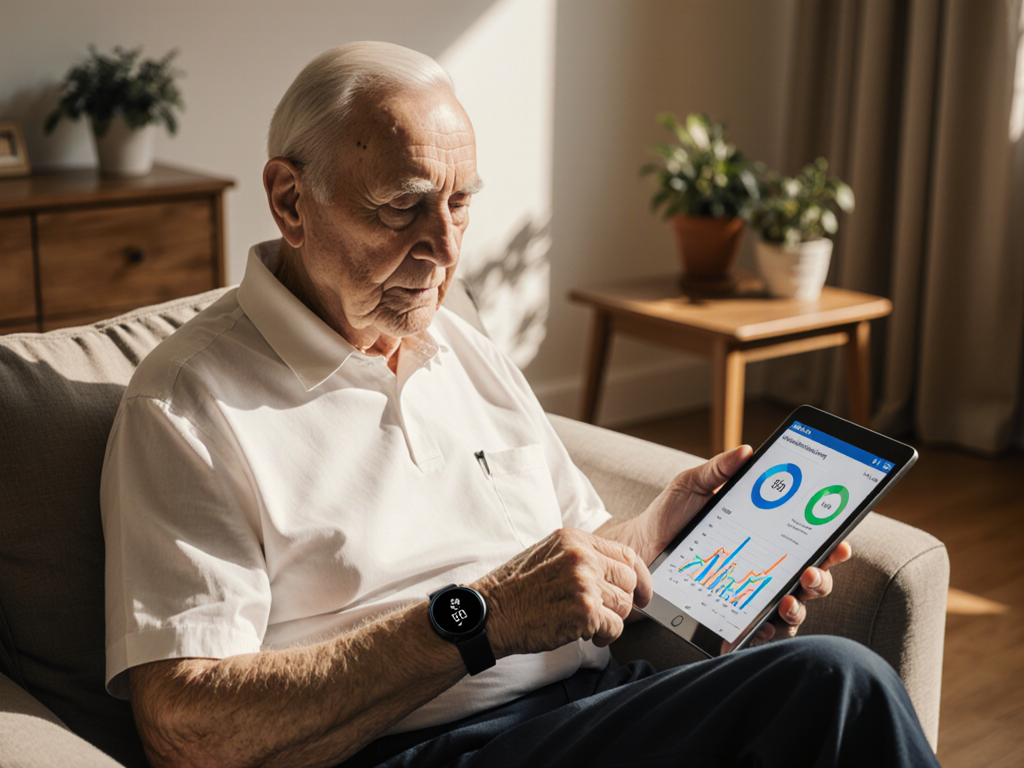

From chronic conditions to mental health concerns, these issues strain healthcare systems and impact individuals’ quality of life. Innovative solutions like the Pulsevia Smart Medical Watch are stepping in to address these challenges, providing advanced tools to monitor health, detect issues early, and empower proactive care.
Here are five major health issues in the U.S. and how Pulsevia can make a difference:
1. Heart Disease: The Leading Cause of Death
Heart disease remains the number one cause of death in the U.S., with over 700,000 lives lost annually (according to CDC). High blood pressure, irregular heart rhythms, and lifestyle factors often go undetected until it’s too late.
How Pulsevia Helps:
- Continuous Heart Rate and Blood Pressure Monitoring: Pulsevia tracks these vital signs in real time, alerting users to irregularities.
- AI-Driven Insights: Detects trends in cardiovascular health, allowing users to take action before conditions worsen.
- Proactive Alerts: Helps users stay informed about potential risks, improving prevention and management strategies.
2. Diabetes: A Growing Epidemic
With over 38 million Americans living with diabetes (according to the American Diabetes Association), managing blood sugar levels and preventing complications are critical. Additionally, diabetes often leads to secondary issues like heart disease and kidney problems.
How Pulsevia Helps:
- Vitals Monitoring: Tracks key health metrics like heart rate and blood pressure, which are often affected by diabetes.
- Reminders: Sends medication and activity reminders to help users stay on top of their care routines.
- Caregiver Connectivity: Enables family members or caregivers to receive updates on the user’s health for added support.
Pulsevia’s R&D team is currently working on integrating tools measuring blood sugar levels with Pulsevia Smart Medical Watch and its AI Platform. Stay tuned!
3. Respiratory Health: The Impact of COPD and COVID-19
Respiratory conditions such as Chronic Obstructive Pulmonary Disease (COPD) and the lingering effects of COVID-19 continue to affect millions of Americans. Low oxygen levels can lead to complications if not detected early.
How Pulsevia Helps:
- Oxygen Saturation Monitoring (SpO2): Provides continuous tracking of oxygen levels, alerting users to potential respiratory issues.
- Fall Detection: Reduces risks associated with dizziness or shortness of breath by notifying emergency contacts in case of a fall.
- 4G Connectivity: Allows remote monitoring by healthcare providers, ensuring timely interventions.
4. Aging Population: Falls and Chronic Conditions
As the senior population grows, so does the prevalence of health issues like falls, hypertension, and cognitive decline. Falls alone account for over 36 million incidents annually in the U.S. (CDC estimates), leading to injuries and hospitalizations.
How Pulsevia Helps:
- Fall Detection: Automatically alerts caregivers or emergency services in the event of a fall.
- Vitals Monitoring for Chronic Conditions: Tracks key metrics like blood pressure and oxygen levels to help manage long-term health issues.
- GPS Tracking: Ensures safety for seniors with dementia or mobility challenges by providing real-time location updates.
5. Mental Health and Stress Management
Mental health issues, including anxiety and depression, affect 1 in 5 adults in the U.S. Stress-related health problems like hypertension and heart disease are also on the rise.
How Pulsevia Helps:
- Heart Rate Variability (HRV) Monitoring: Identifies stress levels and encourages users to take steps to relax and de-stress.
- Actionable Insights: Tracks patterns that may indicate worsening mental health or stress, helping users and caregivers respond proactively.
- Activity Tracking: Encourages physical activity, which is proven to boost mental health and reduce anxiety.
Learn how Pulsevia is transforming health monitoring and empowering individuals to live healthier, safer lives at Pulsevia.com.