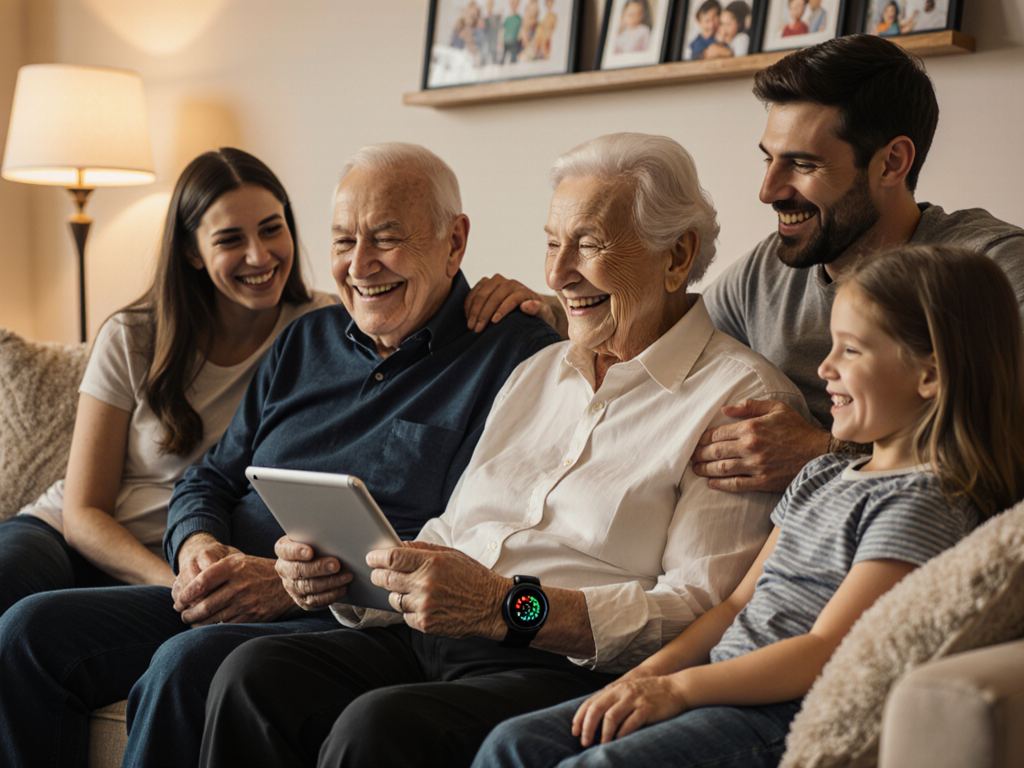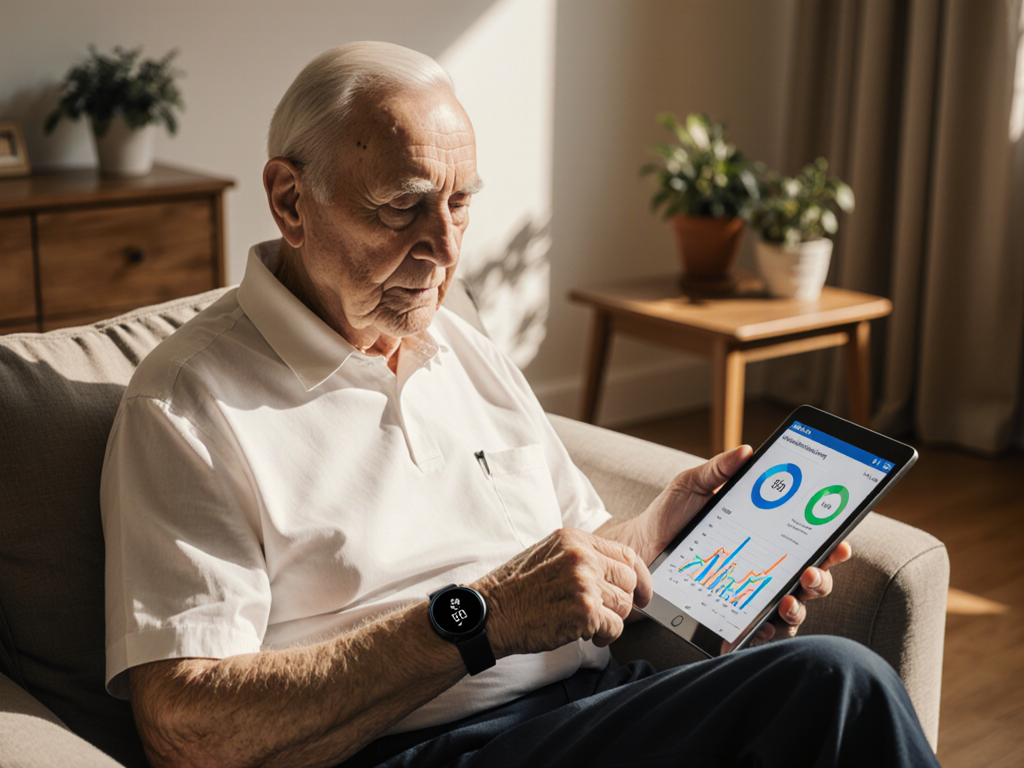

Here are 10 signs it might be time to consider a medical wearable for your loved one:
1. Frequent Falls or Balance Issues
If your loved one experiences falls or struggles with balance, it’s a clear indicator that additional safety measures are needed. Medical wearables with fall detection can automatically alert caregivers or emergency services when a fall occurs, ensuring rapid assistance.
2. Chronic Conditions Requiring Monitoring
Managing chronic conditions like heart disease, hypertension, or diabetes often requires regular tracking of vital signs. A medical wearable that monitors heart rate, blood pressure, oxygen levels, and more can provide invaluable insights into their health trends, helping to prevent complications.
3. Medication or Routine Adherence Issues
Missing medications or appointments can have serious consequences. Wearables that send personalized alerts for medications, meals, and appointments help maintain daily routines and reduce the risk of health setbacks.
4. Wandering or Getting Lost
For individuals with dementia or Alzheimer’s, wandering can be a serious concern. Devices with GPS tracking and geofencing allow caregivers to monitor their location in real time and receive alerts if they leave designated safe zones.
5. Living Alone or Increased Isolation
Seniors who live alone may not always have immediate access to help during an emergency. A medical wearable with a built-in SOS button ensures they can quickly connect with caregivers or emergency services when needed.
6. Caregiver Stress and Burnout
If you or other caregivers feel overwhelmed, technology can provide much-needed support. Medical wearables reduce the need for constant physical monitoring by sending real-time alerts and updates directly to your phone or email, allowing you to focus on actionable concerns.
7. Unexplained Symptoms or Health Fluctuations
If your loved one experiences unexplained fatigue, dizziness, or other recurring symptoms, it may indicate underlying health issues. A medical wearable provides real-time tracking of vitals and actionable insights, helping caregivers and doctors identify potential problems and respond promptly.
8. Recent Hospitalizations or Surgeries
Recovery periods require close monitoring to prevent complications. Medical wearables track vitals continuously, ensuring any deviations are addressed promptly, which helps reduce the risk of hospital readmissions.
9. Reduced Mobility or Physical Activity
Decreased mobility can lead to a decline in overall health. Wearables that monitor movement patterns and activity levels provide insights into their physical activity, encouraging healthier habits and reducing sedentary behavior.
10. Desire for Independence
Many seniors value their independence but need safety measures in place. A medical wearable offers a discreet and stylish way to monitor their health and safety without intruding on their autonomy.
Discover how Pulsevia can help by visiting Pulsevia.com today.